

The Donroe Doctrine - Like Germany, China Will Motivate the US to Intervene in Cuba, Nicaragua, and Beyond
Investors take note: History says that we're looking at the beginning, not the end, of a drastic change in world powers... Which come with new opportunities.

As the plane creaked and moaned through the clouds, I spotted a cockroach scurrying across the back of the pilot’s seat. It was, and still is, the most terrifying flight I’ve ever been on.
We had taken off from a small airport outside of Managua, destined for a tiny outpost along Nicaragua’s Mosquito Coast.
After a rough landing on a dirt airstrip, we were driven north into an extremely remote part of the coastline. We eventually reached a small community of orphans that were being raised by a couple of heroic families.
I had no idea how important this chapter of my life would be.
I witnessed first hand how international proxy battles were influencing the world’s geopolitical and economic direction.
Today, in 2026, these battles are waging on like never before.
And for those who can see through the dust, there are huge opportunities ahead.
Almost immediately we were overwhelmed by these orphans that wanted to play, talk, and touch our faces. They laughed at our pale complexion.
I wondered if we were some of the first white people they had interacted with?
Perhaps for these kids, we were.
But almost assuredly, just a couple of generations prior, there had been plenty of encounters with our white American faces along this forgotten part of the world.
Preparation for Failure
In April of 1961, nearly half a century before my Nicaraguan venture, over 1,400 men assembled in Retalhuleu, Guatemala. They were about to set out on a secret mission that would become one of the most infamous events in American Military history.
They were a part of Brigade 2506, named after Carlos Rafael Santana Estevez’s dog tag number. He had died in a training accident in September 1960, while working with the CIA in preparation for a mission that would eventually become Operation Mongoose.
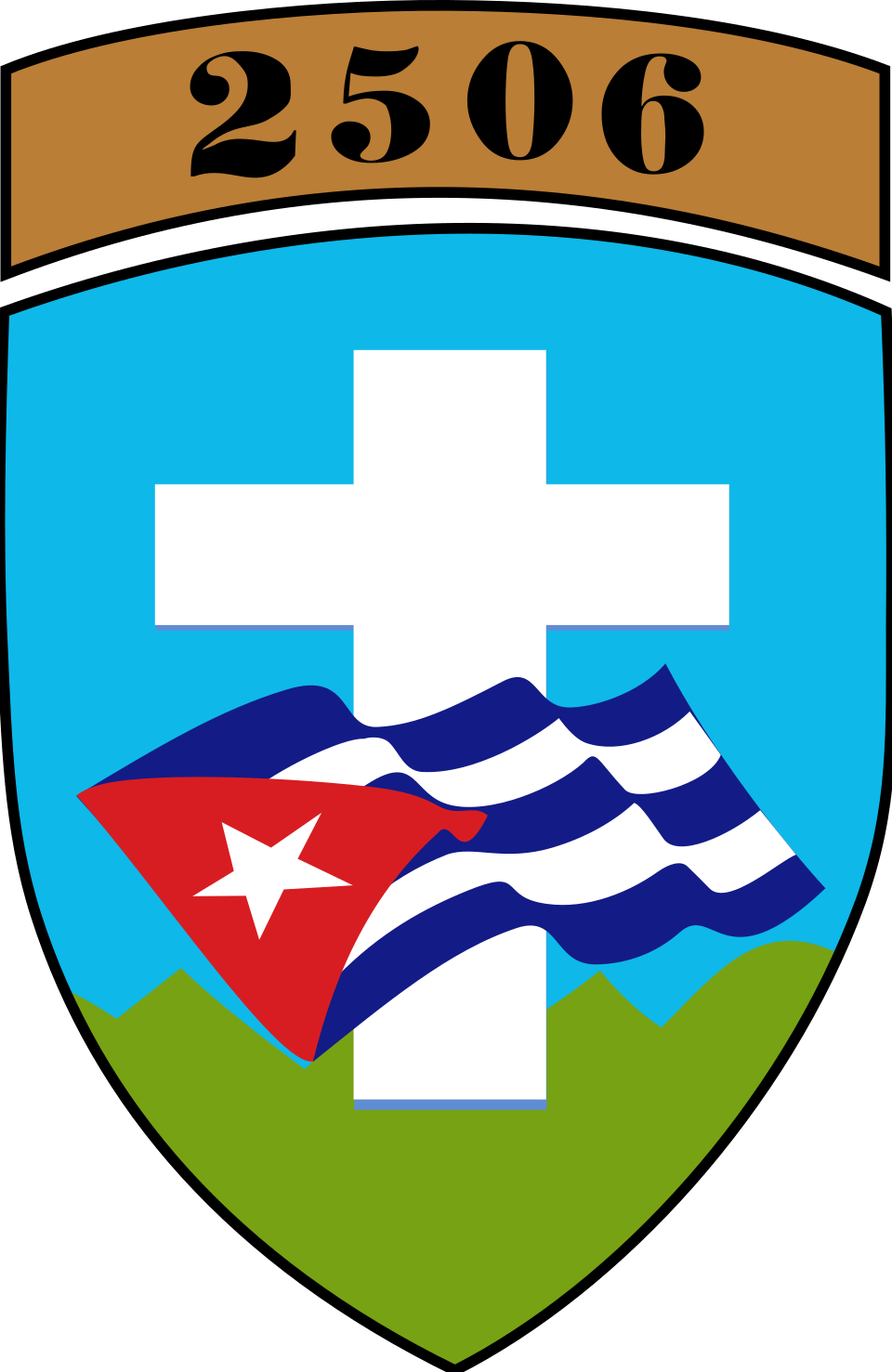
The Brigade trained at secret camps on coffee farms near Retalhuleu. In the immediate area, US military engineers refurbished a local airstrip which they code named “Rayo.”
Eventually, these men would fly from Rayo to another airstrip, just outside of Puerto Cabezas, Nicaragua, nearby where I would visit 45 years later.
In 2006, when I was there, I had no idea what had transpired in 1961.
Today, in 2026, there is a very similar story unfolding.
History repeating? Rhyming? Part of the Fourth Turning?
Or just a new generation repeating the errors of their forgotten ancestors?
Whatever the scenario, today’s world may be entering a terrifying new phase…
Puppet Master Addiction
Just eight years before Brigade 2506 started training for their secret mission, their intended game plan had first been used in 1953.
Egged on by the British to save their foreign petroleum operations, the United States executed their first successful CIA orchestrated coup d’état in Iran.
Compared to past regime change attempts, that used enormous amounts of military resources, money, and time, this new strategy deployed in Iran was like magic.
Beyond the new techniques used by the CIA to make this all happen, none of this could of transpired without two brothers: John Foster Dulles and Allen Dulles.
⏰ In 2026, the situation is not too different.
Secretary of State Marco Rubio and CIA Director John Ratcliffe, while not blood brothers, have personal histories and relationships which you should know about.
More on that in a bit…
John Dulles, who was the US Secretary of State, and Allen Dulles, who was the CIA Director, worked in tandem to strategize and deploy multiple clandestine regime change operations around the world.
Most them, from the brother’s perspective, were wildly successful.
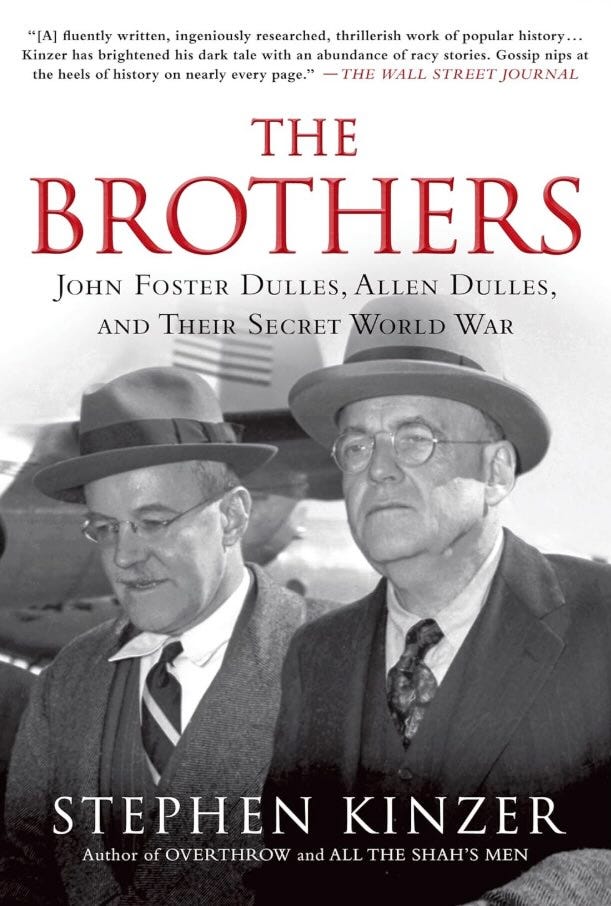
In the 1950’s alone, major CIA operations took place in:
China
Burma
Egypt
Guatemala (twice)
Iran
Syria
Indonesia
Iraq
South Vietnam
Cuba
Cambodia
What became an experiment became a trend.
And then that trend became US policy - a secret policy that was not even well known to the US Government itself.
Similar to today’s developments around the world.
Nicaragua and Guatemala Were Captured
Back in Puerto Cabezas, on April 14, 1961, near where I had visited in 2006, most of Brigade 2506 loaded up on six ships about to set off due North.
This logistical situation was made possible by that fact that the United States basically controlled Guatemala and Nicaragua, thanks to the Dulles Brothers.
Guatemala
After a failed coup attempt in 1952, the CIA was finally successful in overthrowing the Guatemalan government in 1954 and placed right-wing dictator Carlos Castillo Armas in charge.
Armas proceeded to lead the country in a pro-US direction, and also ensured that the United Fruit Company was able to maintain it’s profitable operations in the region.
Now a Swiss-domiciled entity known as “Chiquita Brands International,” the United Fruit Company wasn’t just a lucky beneficiary of the US takeover of Guatemala.
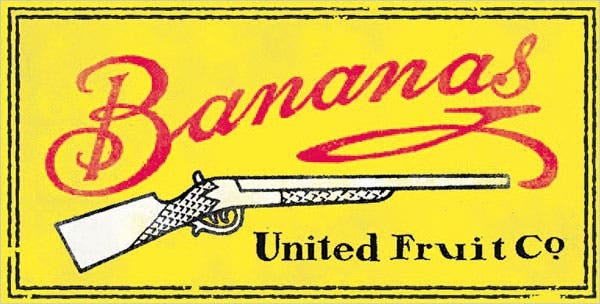
Both of the Dulles brothers, prior to serving in government, had worked at the firm Sullivan & Cromwell.
While there, they negotiated major land deals for the United Fruit Company in Guatemala and Honduras in the 1930s, and were major shareholders of the company.
⏰ John Ratcliffe - current CIA Director - previously helped found the Ashcroft Law Firm with former attorney general John Ashcroft and former U.S. attorney for the Western District of Texas Johnny Sutton.
The Ashcroft Law Firm is affiliated with the Ashcroft Group, which is a lobbying firm which has been retained by many notable groups.
One notable client of the Ashcroft Group is Hermitage Capital Management, which is the investment firm headed by Bill Browder that made billions of dollars by investing in Russian state-owned assets that were being sold off for pennies on the dollar.
I shared this story last week, and why it’s important for investors to understand how Cuba, and other countries, relate to the downfall of the USSR.
But it wasn’t just the Dulles brothers who were incentivized to overthrow Guatemala in order for the United Fruit Company to thrive.
Multiple other influential parties had deep interests in controlling Guatemala and the entire region, which included:
Ann Whitman: served as President Dwight D. Eisenhower’s personal secretary and was married to Edmund Whitman, who was the Director of Public Relations for United Fruit.
Thomas Dudley Cabot: served as the Director of International Security Affairs in the US State Department under Eisenhower, and had previously served as the President of United Fruit.
John Moors Cabot: served as the Assistant Secretary of State for Inter-American Affairs, was brother to Thomas Dudley Cabot, and a major shareholder in United Fruit.
Walter Bedell Smith: served as the Undersecretary of State (and previously as Director of the CIA), and actively pursued an executive position at United Fruit, eventually joining its Board of Directors after leaving government service.
Sinclair Weeks: served as Eisenhower’s Secretary of Commerce and had ties to the company as a Director of the First National Bank of Boston, which served as United Fruit’s primary financial institution.
Believe it or not, the list goes much longer than that.
Now, it’s easy to see how and why the US was freely running CIA paramilitary training facilities within Guatemala in preparation for their next act…
United Fruit’s rebranding to Chiquita hasn’t eliminated their ‘resourceful’ ways of doing business, as the company was recently found responsible in 2024, in a West Palm Beach courthouse, for the killings of eight family members. The event related to Chiquita paying off local narco-terrorists in exchange for protection of their agricultural operations. The lawsuit marked the first time that a U.S. federal jury has found an American corporation responsible for financing human rights violations in foreign countries. -HRR
Nicaragua
Over in Nicaragua, where Brigade 2506 was loaded up, a similar story had unfolded decades before.
During the Banana Wars, the US occupied Nicaragua from 1912 until 1933, which included varying degrees of conflict and influence.
Although the CIA hadn’t been involved - or even existed during this time period - the US strategy was the same:
Provide assistance to US entrepreneurs exploiting opportunities within the country, and prevent foreign adversarial interests from obtaining control.
The US did this by organizing, arming, and training the Nicaraguan National Guard as a force to maintain order after the US departure.
Of course, the US also put a favorable person in charge - Anastasio Somoza García.
Somoza spoke perfect English and had gone to school in the US, making him a favorable ally.
The Samoza family eventually went on to rule Nicaragua for the next 43 years…
Plenty of time for the US to use Nicaragua as a jumping off point for their next regime installment.
There is much more to come about Nicaragua soon. Keep an eye out for a forthcoming report on opportunities there.
Voyage to Playa Giron
Leaving the Puerto Cabezas dock on April 14, 1961, Brigade 2506 was now underway aboard several ships to their final destination - an island who’s existence and recent transformation symbolized an immediate and imminent threat to the United States.
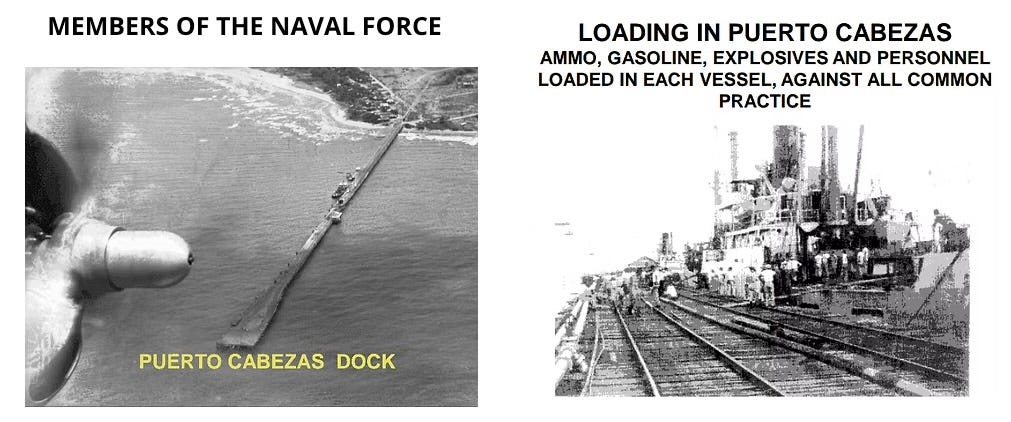
Source: BPB
While the flotilla of WWII era water craft pushed forward, the CIA arranged for eight B-26 bombers to attack Cuban airfields.
This bombing campaign, the CIA assumed, would prevent any Cuban aircraft from responding to the impending invasion that was about to happen.
It would take two more days after the airstrips were bombed for the ships to reach Playa Giron, and the Bay of Pigs.
This left 48 hours for the Cubans to prepare.
What came next, on April 17th, was a complete disaster.
Ships sank, planes shot out of the sky, lives lost, and a total failed military landing operation was all that was left.
The post-mortem analysis of the entire event is brutal. A series of miscalculations, inaccurate assumptions, bad intel, and some bad luck all added up to a huge SNAFU.
After the failed invasion, the fingers began to point everywhere. Internally, within the US Government, there were all sorts of disagreements about where the blame should fall. To this day, there are still major issues that haven’t been settled.
Of course, with 65 years of hindsight, it’s easy to place blame and notice how major conflicts of interest can incentivize the desire to overthrow governments.
But it’s also extremely difficult to contextualize the mindset of the United States world position during the first 50 years of the 1900’s.
That’s because there is no one alive today that experienced this time period with much involvement, and because the US today is completely different than just a century ago.
Could the greed of those involved in the United Fruit Company have aided in the desire to invade Cuba?
Was there an arrogance of power within the US that motivated a continual attempt of overthrowing foreign governments?
What if most of the actions taken by the CIA during the 1950’s - and other decades - has mostly been justified?
If we took a critical look at history, and tried to remove our present day personal realities, maybe we’re due to repeat the things we think were wrong about the past.
The Monroe Doctrine’s Original Intent
Looking back at the failed US invasion of Cuba, it’s tempting to scream out loud, WHAT WERE THEY THINKING?!
We’d have to review what the Monroe Doctrine is all about and why it was extremely relevant - at least in theory - during much of the first half of the 20th century.
Originally shared by President Monroe during his State of the Union address in December of 1823, he proposed that any foreign interference in the Western Hemisphere was a direct threat against the United States.
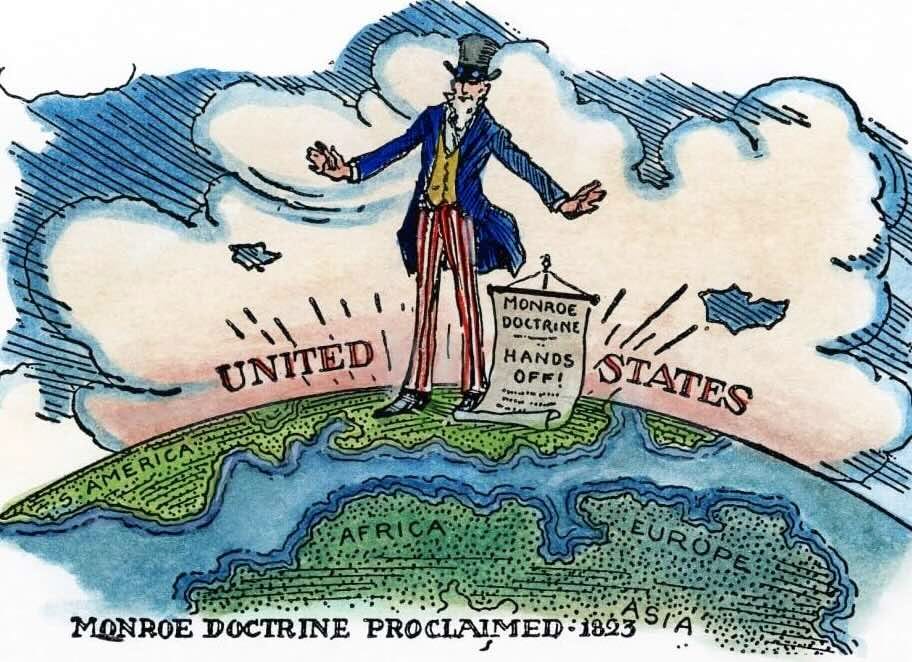
While it may sound extreme today, imagine the thinking of the government and the people of the US during the early 1800’s…
America was a new found country that was literally built by people who were escaping Europe, and other parts of the world, in search of a better life.
The idea that other world power influences could, and would eventually creep into the US hemisphere was terrifying, and not completely unfounded.
For example, just two years before Monroe made his speech, the Russians were actively expanding their claims in the Pacific Northwest from Alaska down to the Oregon Territory.
The Russians had also issued a decree in 1821 forbidding non-Russian ships from approaching the coast. This specific threat was a major catalyst for President Monroe’s 1823 declaration.
And there were other instances throughout the 1800’s which solidified the Monroe Doctrine in American society, such as:
Spain: as the former colonial ruler of most of Latin America, and just two years prior to Monroe’s speech, Spain attempted several take-overs, such as the 1829 expedition to Mexico (which failed), annexation of the Dominican Republic (1861–1865), and also fought the Chincha Islands War against Peru and Chile (1864–1866).
France: participated in the 1838–1850 Río de la Plata blockade against Argentina. They were also involved in the Second French Intervention in Mexico (1862–1867), where French forces invaded and installed Austrian Archduke Maximilian as an attempt to create a French-aligned monarchy in the Americas.
Britain: although not a direct threat, the British continued to exert economic influence through trade, investment, and loans in Argentina, Brazil, and Chile. The Brits also had territorial claims in the Caribbean, the Falkland Islands, British Honduras (Belize), the Mosquito Coast in Nicaragua, and British Guiana.
From the US perspective, all of these countries and their colonization attempts were threats to the exact way of life that United States were so against.
It’s why the US had taken an isolationist approach during this time period, to avoid all of the entanglements which plagued much of the world - especially Europe.
But, just as all of those traditional world powers were trying to do, the US eventually fell into the same exact trap of feeling the need to protect their empire.
That’s especially true when the Germans came to power in the early 1900’s…
The German Influence
Depending on where you sit in the world, your education is likely extremely biased towards the defense of your home country.
It’s only normal to position historical events to fit into the context of the world view and social standards that your community abides by.
From a US point of view, when we think of Germany’s history over the past century, it’s almost exclusively contained within the WWI and WWII timeframe.
What we don’t think about, or even know much about, is the influence that the German empire was trying to exert right next to the US before the first 2 World Wars.
The Ypiranga Incident
In April of 1914, a German steam powered cargo liner arrived at the Mexican port of Veracruz to unload a large delivery of ammunition, rifles, and machine guns.
The supplies were being delivered for the Mexican Revolution, which the US was trying to stop by placing Mexico under an arms embargo.
From the US perspective, the war waging in Mexico was spilling across the border and destabilizing the Southwestern US territories in California, Arizona, New Mexico, and Texas.
⏰ Millions of illegal aliens from potentially adversarial countries have poured across the Southern US border over the past several years.
In a recent hearing, the House Homeland Security Subcommittee on Counterterrorism, Law Enforcement, and Intelligence members “received confirmation that malign nation-state actors, specifically China and Russia, could be empowered to take advantage of the crisis at the Southwest border, which continues to leave the U.S. vulnerable to national security threats.”
The US attempted to stop the unloading of the cargo in the port of Veracruz, but the Ypiranga ended up going to a different port to unload.
This incident is notable because this was the first direct run-in that the US had with Germany in the Western Hemisphere, and is even more interesting considering that Germany entered into World Word I just a couple of months later in August of 1914.
⏰ On April 19, 2026, the United States seized an Iranian cargo ship (by blowing a hole in the engine room), MV Touska, that tried to run past the US blockade of Iranian ports.
The Touska was headed from China to Iran.
This ‘Touska Incident’ of 2026 is eerily similar to the ‘Ypiranga Incident’ of 1914.
The Zimmermann Telegram
Three years after the Ypiranga incident, while both the Mexican Revolution and WWI were raging, the United States was still sitting on the sidelines.
Then, on January 17, 1917, the German Foreign Office sent an encrypted telegram to Mexico which proposed that they join in the World War together.
In exchange for the Mexican’s cooperation, Germany would assist Mexico in getting back the states of Arizona, New Mexico, and Texas if the US entered the World War.
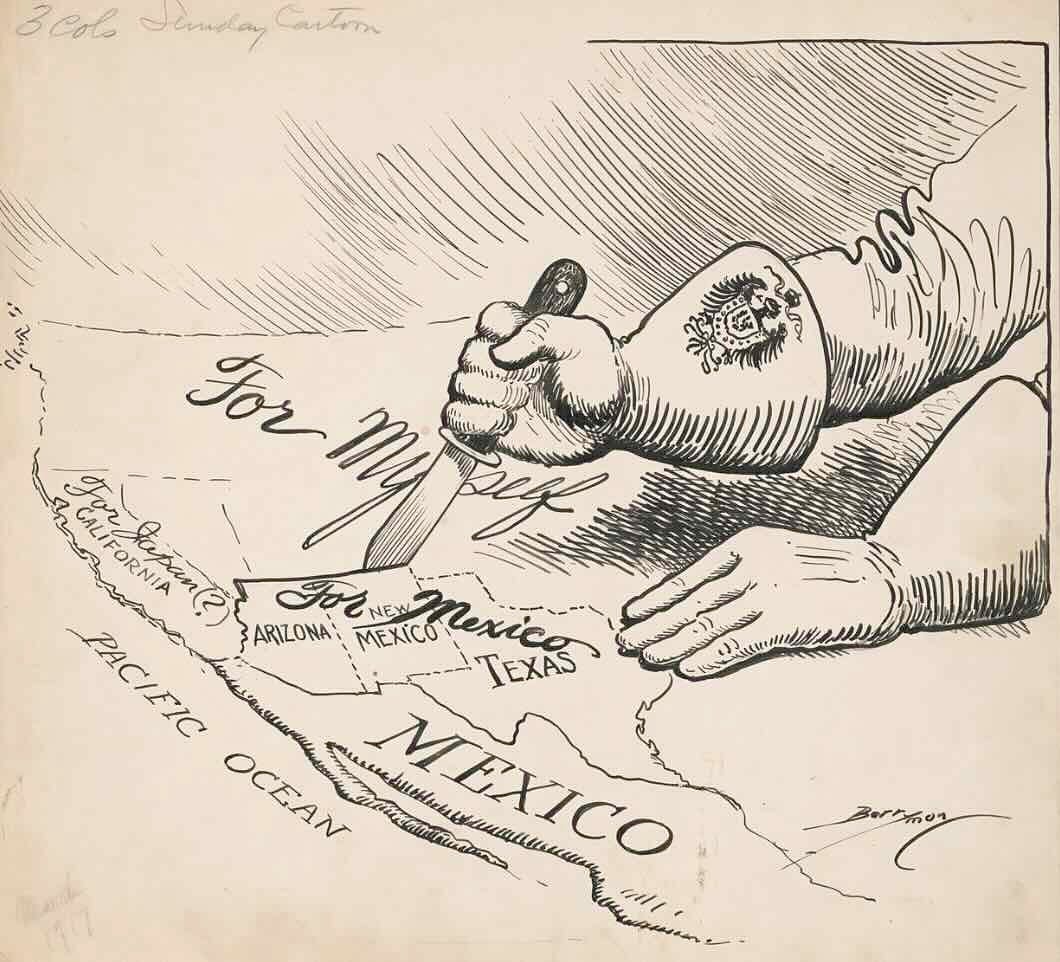
The telegram ended up getting intercepted by British Intelligence, who shared the information with the United States.
Then, on March 3, 1917, German State Secretary for Foreign Affairs, Arthur Zimmermann, publicly admitted that the telegram as authentic.
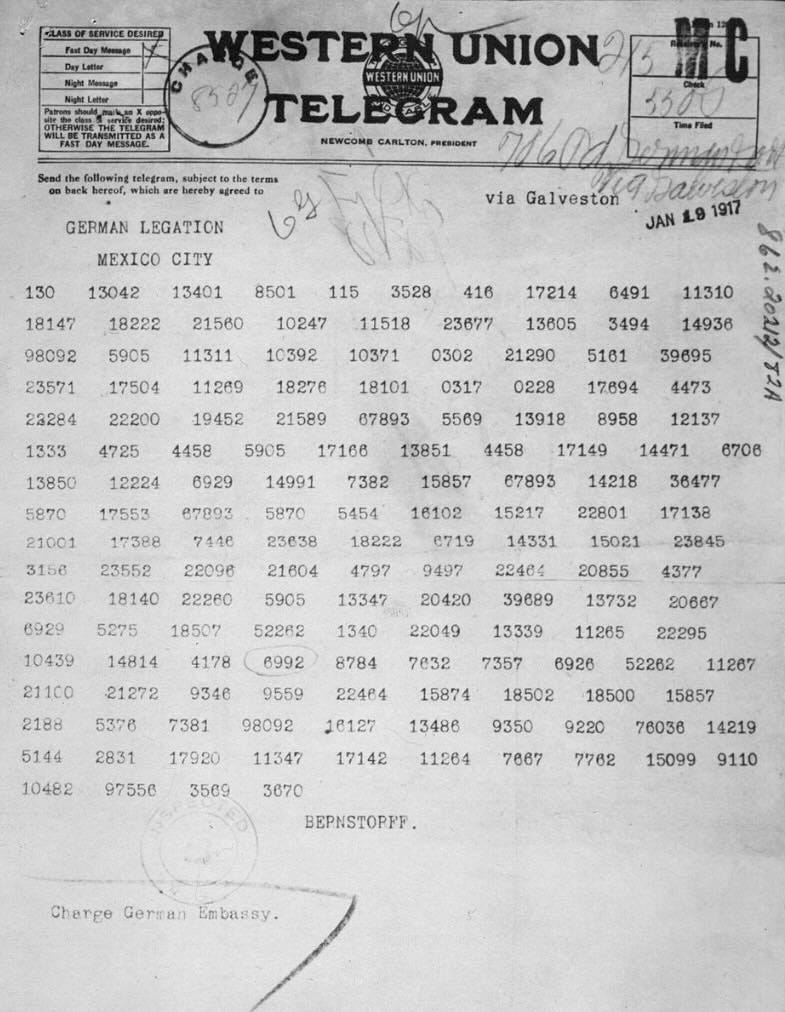
The United States declared war on Germany the next month in April of 1917.
Germany was fighting a proxy war against the United States via the Mexican Revolution.
The US feared, for good reason, that an invasion from Mexico was eventually imminent if Germany wasn’t stopped.
Germany Wanted the US to Fight Mexico
It wasn’t just the Zimmermann Telegram that brought the US into World War I.
Germany was incentivized to entangle the US in a war with its Southern neighbor so the Germans could continue their global expansion unabated.
On multiple occasions, prior to the US entering WWI, the Germans tried to weaken the US:
Most people think about the 128 Americans that were on the British ship Lusitania that was sunk by German u-boats. However, there were many other actual US vessels that were attacked and sunk by the Germans prior to the US entering WWI, which included the SS William P. Frye, the SS Gulflight, the SS Housatonic, the SS Lyman M. Law, the SS City of Memphis, the SS Illinois, the SS Healdton, the SS Aztec, and the SS Algonquin.
German Imperial Navy junior officer, Lothar Witzke, claimed responsibility for the March 1917 munitions explosion at the Mare Island Naval Shipyard and for the July 1916 Black Tom explosion in New Jersey. Both were equivalent to modern day terrorist attacks on domestic soil.
Franz von Rintelen, who was a German Naval Intelligence officer, gave Victoriano Huerta $12 million. Huerta, who was a former President (dictator) of Mexico, was instructed to incite war with the US, because the Germans wanted the US to stop sending munitions to the Allies in Europe.
German military officers were known to be aiding anti-American Mexican rebel groups, on the ground, during the Mexican Revolution.
These are just the incidents that we know of. There are likely many more stories lost to history that both the US and Germany would rather not dig up.
China is Using Germany’s Playbook
The list of ways that the Chinese are weakening the US would dwarf the list above.
The difference is that the methods and tactics used today are less about direct military engagement and more about subversive efforts that operate in gray zones.
Whether it’s fentanyl, drones, rare earth elements, government subsidies, or good old fashioned hacking campaigns, the Chinese have been slowly increasing their efforts over the past decade.
⏰ This is notable in Western Hemisphere countries like Cuba, Mexico, Panama, Nicaragua, Venezuela, Peru, and more.
The US has already engaged - diplomatically and militarily - several of these countries.
There will be more to come.
The US is Now Directly Countering China’s German Playbook
There’s no doubt that the US has been playing both offense and defense against the People’s Republic of China for many decades.
This game arguably started in 1951 during the US proxy battle with the Soviets and Chinese during the Korean War.
During this time, John Dulles proposed the First Island Chain perimeter, designed to contain China's maritime expansion in the Pacific. Since then, the Second Island Chain and other debated lines in the ocean have been drawn.
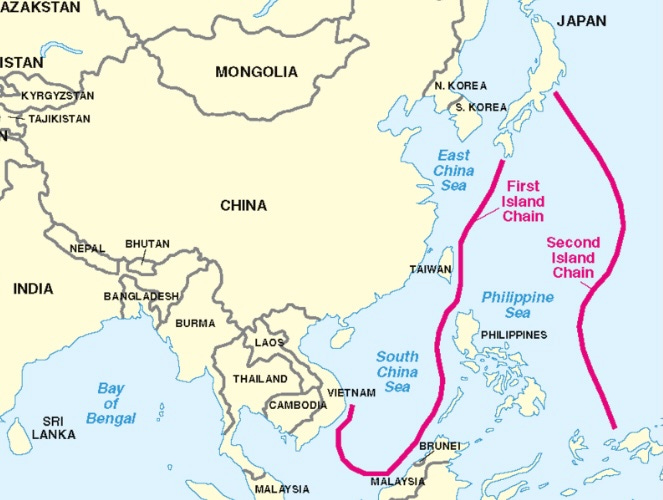
But these imaginary lines are just the tip of the iceberg as it relates to the power struggle between the US and China.
The real areas of influence, and now battle, are well underway.
The “Reverse Kissinger” Strategy
While hotly debated, and unlikely to ever be resolved, there is a viewpoint that the US views the war in Ukraine as a longterm strategic event.
If Russia is tied up fighting a war on Europe’s Eastern front, then the Chinese will have far less support during a potential China/US conflict in the Pacific.
This goes directly against the former US Secretary of State Henry Kissinger’s proposed partnership with China. His approach was to warm up to China to drive a wedge between them and the Soviets.
But Kissinger’s strategy has clearly changed direction.
Whether it’s because of new US leadership, or because the alliance of convenience has changed, Kissinger’s original plan has reversed course.
If the US can no longer effectively separate China and Russia as a unified power, then weakening one of the powers (Russia) through a prolonged foreign war will have to do.
Ironically, China may view the war in Ukraine as favorable as well.
That’s because China and Russia are likely strengthening ties behind the scenes.
They’re increasingly relying on each other for raw materials, intelligence, and war fighting strategies as much of the world closes off to them.
Additionally, the Chinese view the war in Ukraine as tying up Western resources that may come to the aid of the US in any potential future conflict.
The war in Ukraine is a proxy war being fought by nearly the entire world.
Venezuela’s FAFO Moment
US intervention in Venezuela is the most justifiable, considering the country creates a clear threat to the Western Hemisphere and is actively working with adversaries.
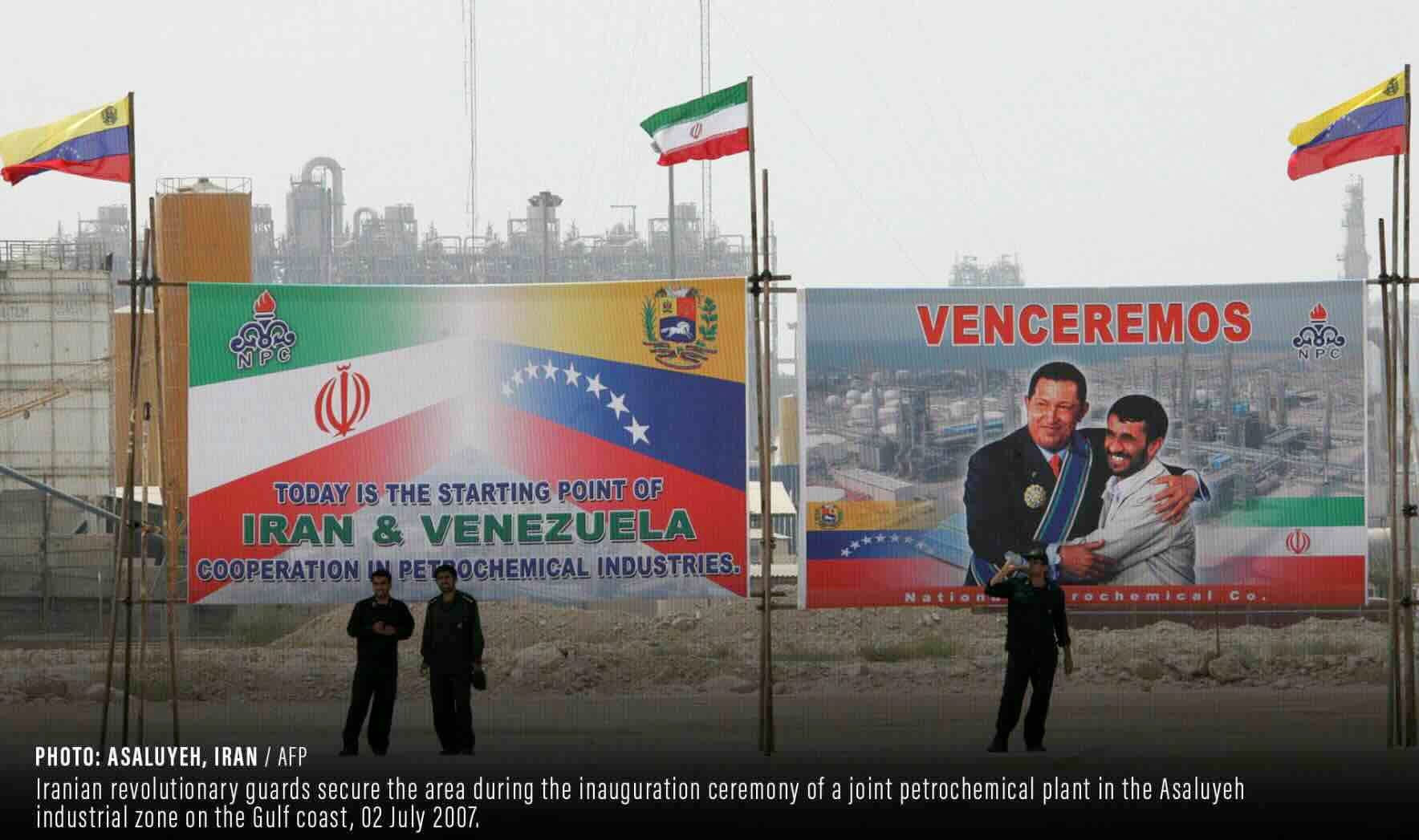
Beyond oil trade with China, Venezuela has:
Assisted Iran with drone manufacturing and development since 2006 (using Chinese components).
Hosted China, Russia, and Iran for military exercises.
Currently hosting two Chinese built and operated satellite tracking facilities.
Worked with Russia diplomatically, economically, and militarily to contest the United States from within the Western Hemisphere. Russia has threatened the deployment of nuclear-capable Russian missiles to Venezuela as recently as October 2025 and provided military advisors, air defense systems, helicopters, and fighter jets. -ISW
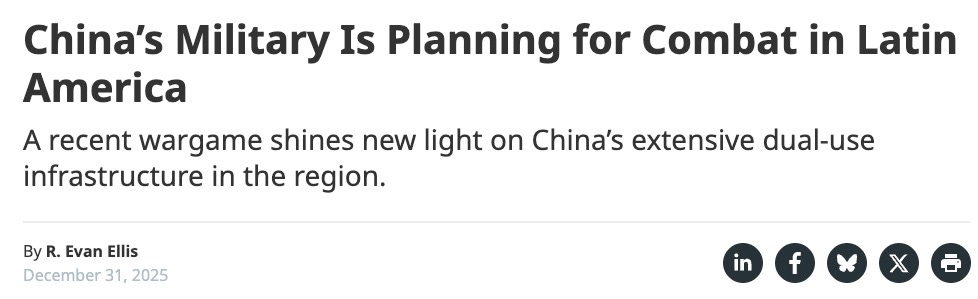
If viewed through the eyes of President Monroe himself, or of the US just prior to WWI, Venezuela’s actions would be considered a 5-alarm fire.
That’s why it comes as no surprise that the US literally took Maduro out of the country.
Investor’s Venezuelan Windfall
There were many companies that benefitted from Maduro’s recent ouster. The most obvious one, that I covered last week, was a gold mining company.
On January 3, 2026, which was a Saturday, U.S. Special Forces captured Maduro in Caracas, Venezuela. Gold Reserve’s US OTC listing had closed the previous day at $1.68 per share.
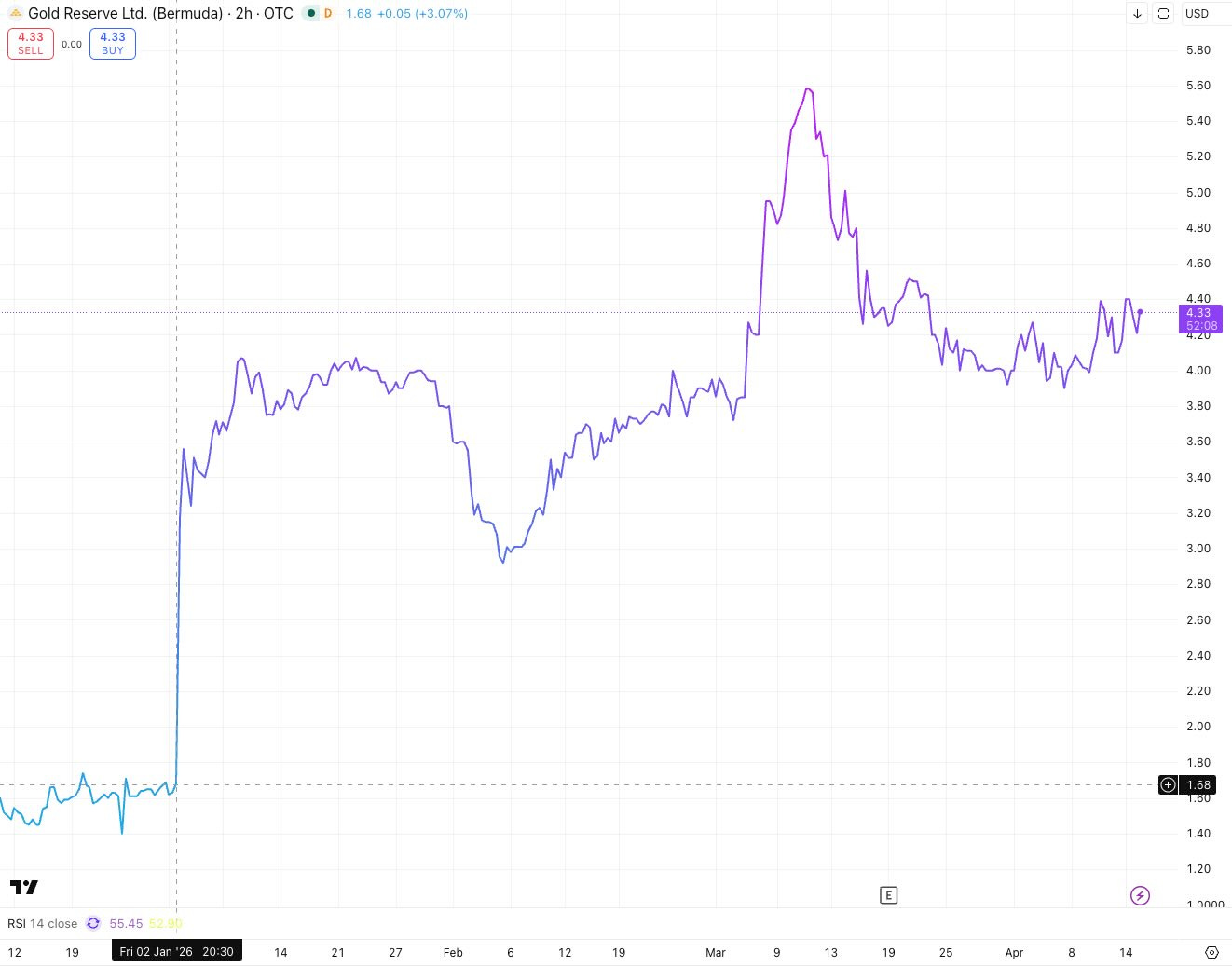
On Monday’s market open, the share price rocketed to over $3.50, and then peaked in March at $5.58 per share, representing a 232% gain in a little over a month.
Beyond this gold miner, and many other similar companies traded on US exchanges, the actual Caracas Stock Exchange Index has absolutely mooned.
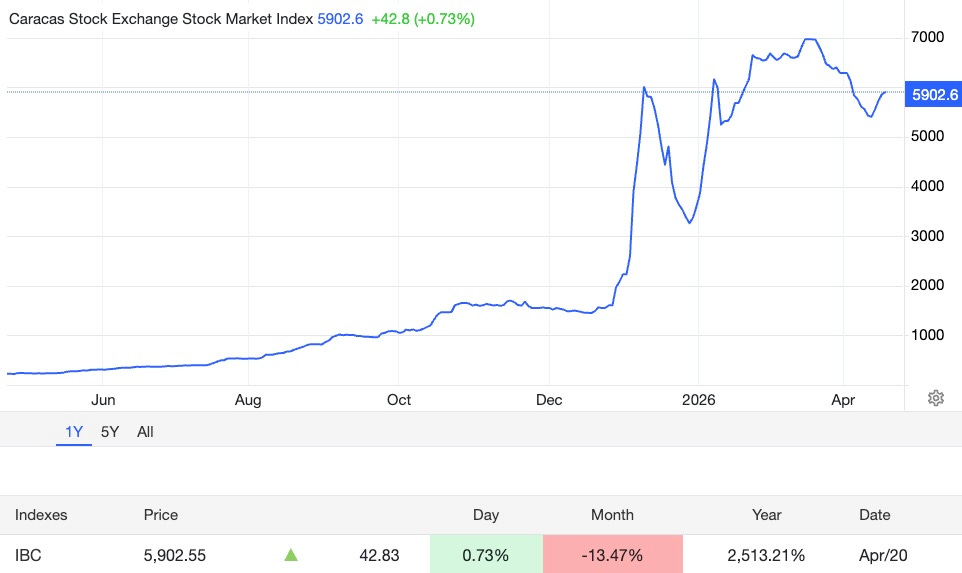
Up over 2,500% over the past year, it’s clear that investors are excited about a market opening back up to the world.
(It’s also clear that investors prefer to put their money in equities versus inflation-risked fiat currency!)
Cuba and Nicaragua - About to Find Out
Yesterday, a US DOJ flight landed in Havana, Cuba. This is the ‘sister plane’ to the flight that took Maduro from Guantanamo Bay to New York on January 3, 2026.
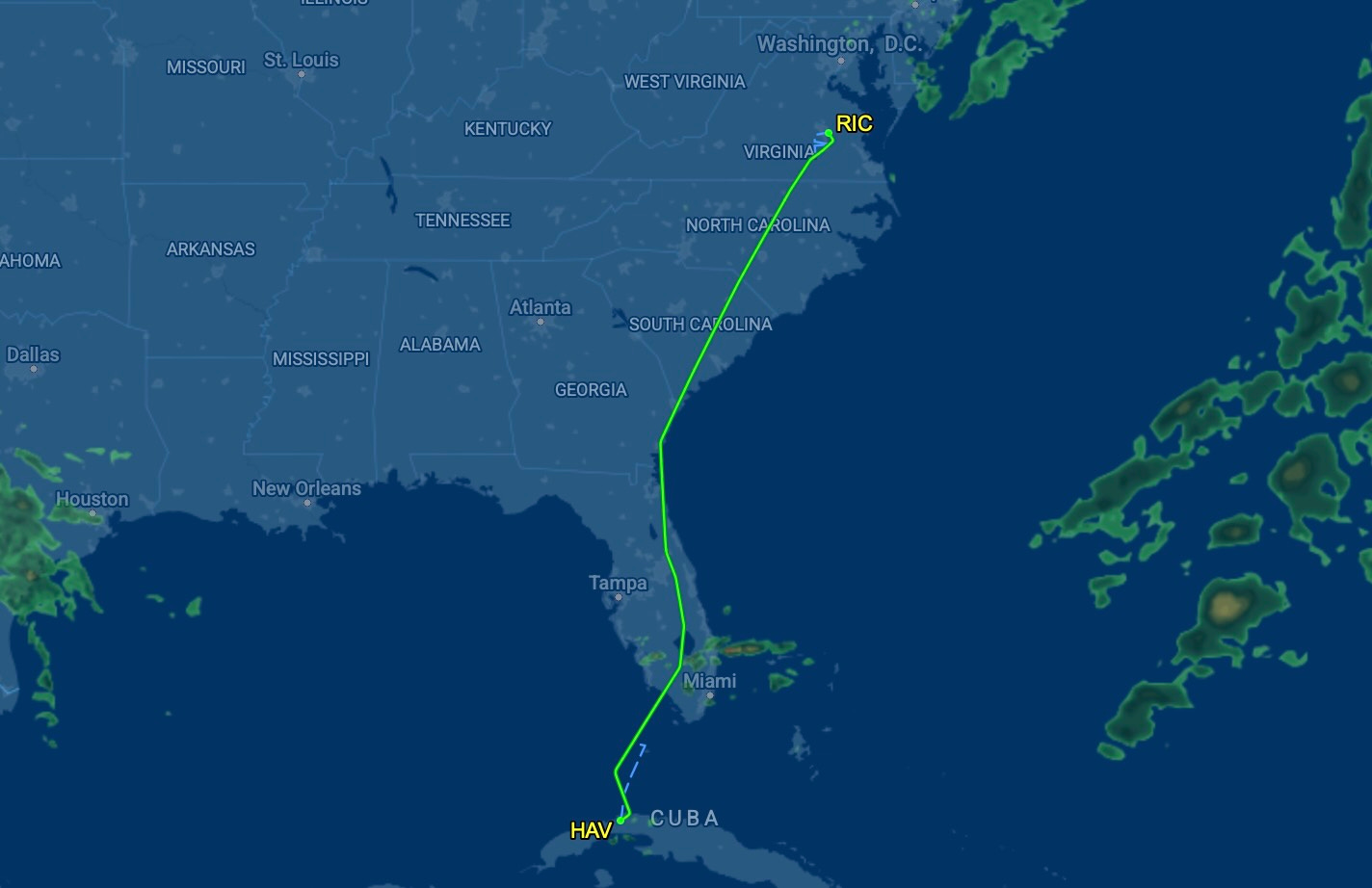
Source: FlightAware
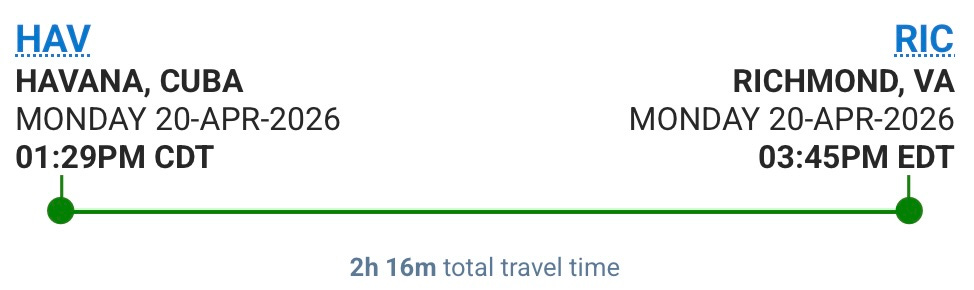
Operated by the U.S. Department of Justice, and used by the FBI, this specific aircraft has been used recently during a 2023 flight to Poland (coinciding with Attorney General Merrick Garland's visit to Ukraine).
What was this trip for?
It’s probably related to something that we’re all about to find out about.
That’s especially true considering that a US Navy MQ-4C Triton surveillance drone has been doing daily laps around the island of Cuba, and Trump has dropped references about Cuba ‘being next’ multiple times in the past couple of weeks.
Meanwhile, over in Nicaragua, we’re starting to see some new developments.
Yesterday, “The United States expanded its sanctions against Nicaragua's gold sector by including relatives of President Daniel Ortega and mining companies, in an attempt to limit the government's sources of financing.” -BNA
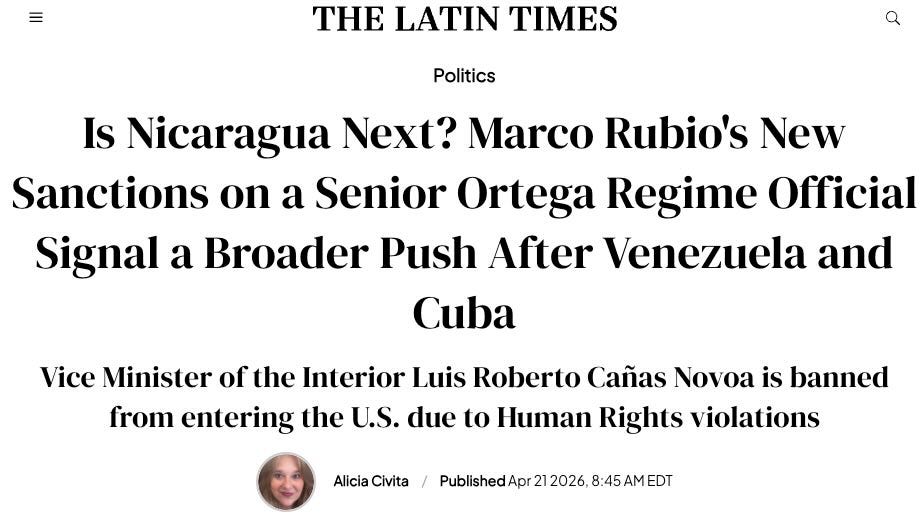
As the Latin Times stated today, “The move signals that Nicaragua is no longer a secondary concern but part of a broader regional strategy targeting authoritarian leftist regimes.”
Preparing to Invest in Cuba and Nicaragua
As I shared last week in The Ultimate Guide to Investing in Cuba (before and after the ‘change’), there are already incredible situations revealing themselves for investors.
The Ultimate Guide to Investing in Cuba (before and after the 'change')

One of the most famous stories of a foreign investor making billions of dollars from the fall of a communist country is that of Bill Browder and his firm Hermitage Capital Management.
Nicaragua is next in line to offer similar situations.
I’ll be sharing some of the most under-the-radar publicly traded companies that investors can pursue, that have massive exposure to both Cuba and Nicaragua, in the coming week.
Make sure you receive those reports when they’re ready:
If you’re a free subscriber, do me a favor:
Hit the ❤️ or 🔁 restack. This helps me justify staring at a computer screen for the past 3 days!
Share with someone in your network who needs to see this.