

The Next New Thing Is - Things

The Next New Thing is - Things. That’s the title of the first chapter of Jim Roger’s book Hot Commodities, which was first published in 2004.
I devoured the book shortly after it was released, having great respect for his previous two books Investment Biker and Adventure Capitalist. His teachings and life story have impacted my personal view of the world tremendously.
He’s most famous for co-founding the Quantum Fund with George Soros and retiring at the age of 37. However, I think his legacy will live on through his down-to-earth teachings in his fun-to-read writing.
But if I’m being honest, most of Hot Commodities went over my head the first time I read it. I was too young and too ignorant to really grasp the bigger picture.
So, I read it again this past week while I was in California for a short surf trip. I saw the book on a shelf in my friend’s yurt that I was staying in, and decided I’d just read the first chapter. And then I just kept reading.
I was stunned.
The book is a general instruction manual on how to invest in commodities, but the time frame of when it was written is most important.
He first published the book in 2004 and then updated it in 2007. He explains, with great detail and amazing accuracy, how the 2008 financial crisis would unfold.
Here is the most important part that I want to share with you: That first chapter, which this post is titled, was eerily similar to today’s world.
He talks about stocks, bonds, oil, natural gas, real estate, currencies, war, debt, central banks, and everything that was relevant during the mid-2000’s.
If I republished that first chapter of his, but changed all of the dates and dollar figures to be accurate with 2026, you wouldn’t know that what you’re reading is 20 years old.
It’s incredible.
The pitch of the book, which you can tell from the title and first chapter, is to buy real things. Things that can’t go to zero. Things that humans must have to live. Things that are not part of a speculative boom.
It all makes sense, but it requires you to go against the herd. That’s something that most people don’t have the stomach for… Unless they are forced to.
Speaking of forced, did you see what just happened?
Forced Situation
You probably saw what just happened with the Situational Awareness hedge fund. I won’t add to the commentary - Andrew Walker already did a great job.
We won’t know the final details of how and what Citadel acquired from Situational Awareness for a little while, but it’s tempting to wonder if this means anything for the broader market?
Is this a big deal? Or is this just a minor blip on the radar?
I’m not sure.
Going back to Roger’s Hot Commodities, I was drawn to another part of the book where he discusses the history of “new things.”
The printing press, railroads, the telegraph, the radio, TV, and the internet were just some of the examples he gave (AI wasn’t much of a thought in 2004).
The cycle of the market - both from the investor and consumer perspective - is almost identical every time a “new thing” comes around.
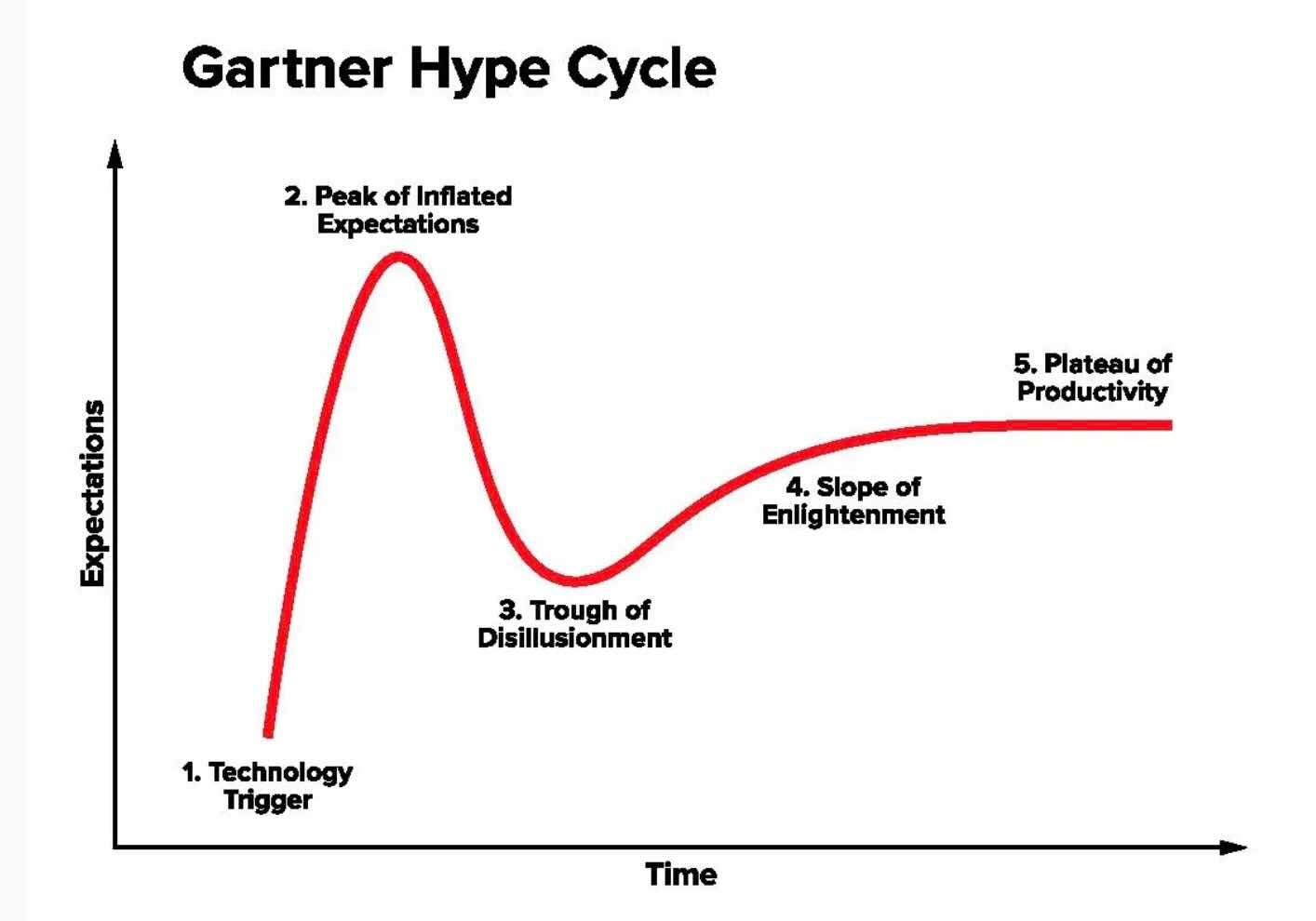
AI is no different.
But it feels different. Every time.
That’s because our point of reference only goes to the present.
Current new technologies seem unimaginable, which leads to a peak of inflated expectations.
Did Situational Awareness ring the bell at the top? Or is there still more to go?
Again, I’m not sure.
But I’m ok if I miss ringing the bell at the top. There are plenty of other opportunities that have been forgotten and ignored, as the herd chases the shiny thing.