

Is Geothermal the Power Crisis Solution?
The US has recently passed legislation to open up a whole new industry of electricity production.

More than a decade ago, when I was a firefighter in Santa Monica, I inspected the new home of world famous architect Frank Gehry.
He’s the one who designed the Walt Disney Concert Hall, the Guggenheim in Spain, and dozens of other hard to explain buildings.
At the time I was detailed as a building inspector, so the visit to Gehry’s personal residence wasn’t out of the ordinary. I visited hundreds of buildings and homes to verify final fire safety systems.
But what I found inside Gehry’s personal home was something I had never seen before.
There were nine geothermal probes that went down about 300 feet into the earth. These probes allowed air to be pumped up and down to regulate the temperature within the home itself. The full details are here.
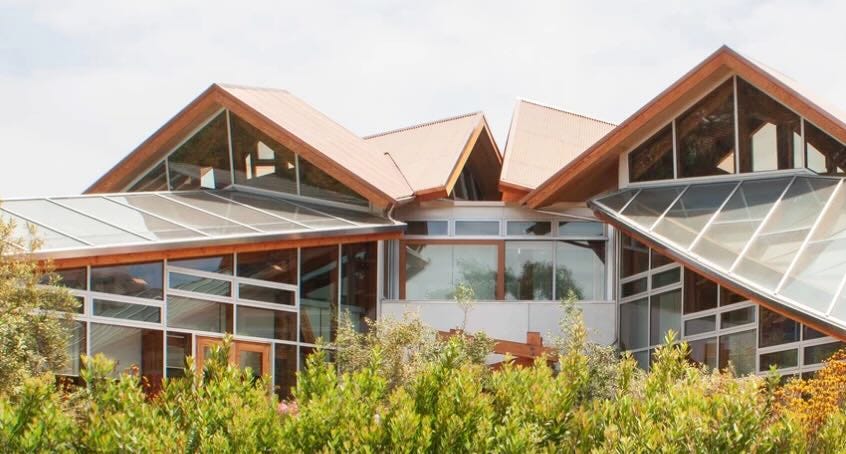
Despite the complicated engineering, the idea made sense. Below the surface of the earth, temperatures are regulated much more consistently than at surface level.
Depending on the depth you go, different temperatures - cold or hot - can be reached.
Now, with the world needing more electricity than ever, a new power source is being considered…
Dig Really, Really Deep
A couple of years ago, a venture capitalist friend reached out to me about a company that was raising money to dig really, really deep holes in the ground.
With a technology that uses millimeter wave drilling, they think they can go 20 kilometers deep, which is about 12 miles down.
For perspective, the deepest drilled hole in the world is the Kola Superdeep Borehole in Russia, which goes down 7.6 miles. They had to stop drilling because it got too hot.
The company that I was being pitched, called Quaise, actually wants that heat.
Heat to Power
Just like I was pitched on SpaceX and Anduril in their early rounds, I decided to pass on Quaise. Their valuation at the time didn’t make sense to me.
Welp, Quaise just raised another $134 million for their Series B, proving that I need to get familiar with large numbers that my brain can’t comprehend.
Anyway, here is what Quaise does:
Drills super deep holes into the earth
Pumps water down the holes, where it gets superheated
The superheated fluid is then pumped back to the surface, where it drives conventional steam turbines
The technology can be plugged into existing thermal power plants
It’s basically a steam engine using the earth’s naturally hot core. The concept is simple, but the logistics and technology to make it happen are extremely difficult to pull off.
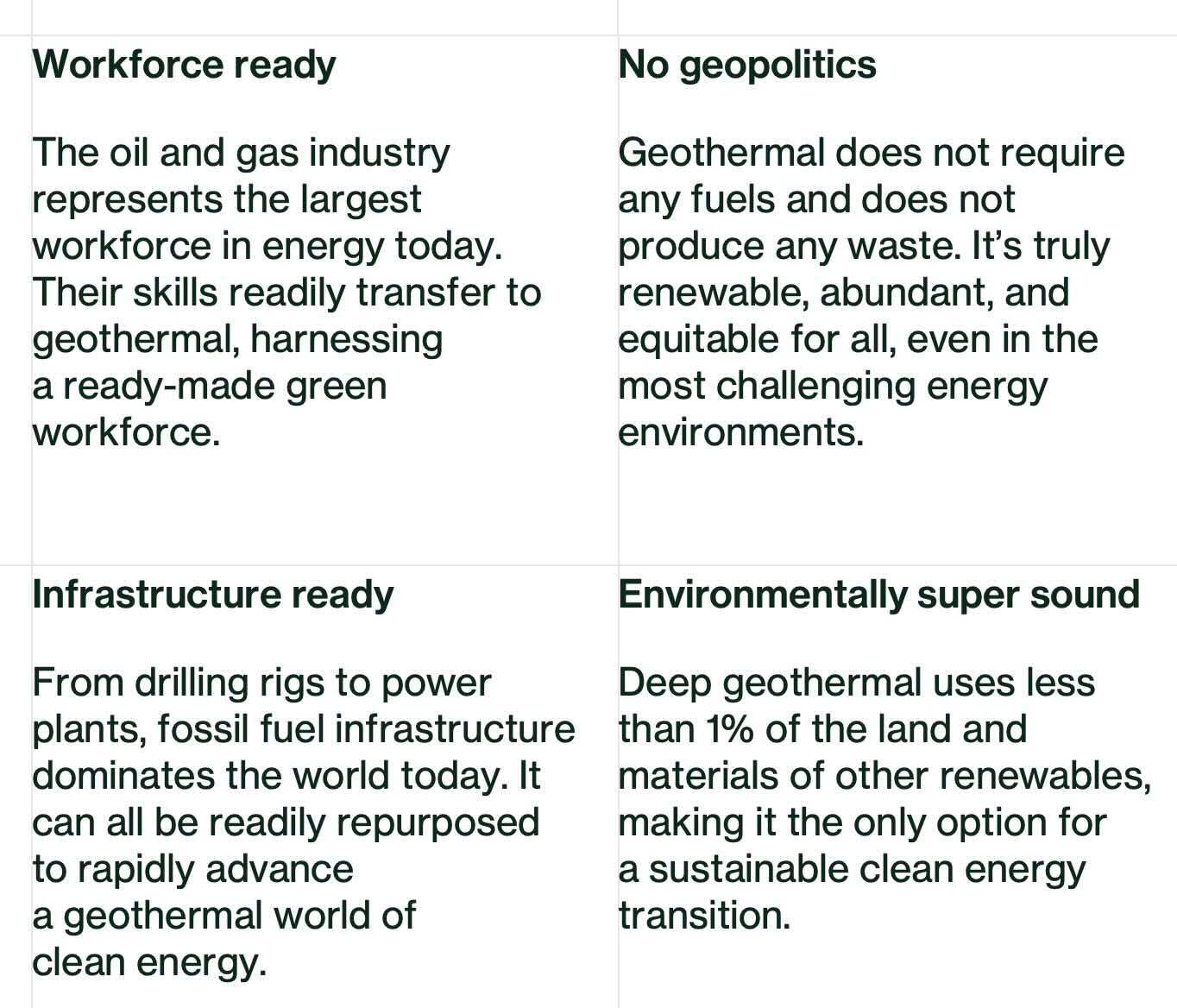
Will Quaise be able to make this all happen?
It’s looking really positive as of lately. Here’s why…
Oil Wells, Ironically
On January 20th of last year, President Trump declared a national energy emergency. Within that declaration are all kinds of emergency approvals that you can read about here.
Among the many announcements that followed this declaration, a specific press release from the Department of the Interior went relatively unnoticed:
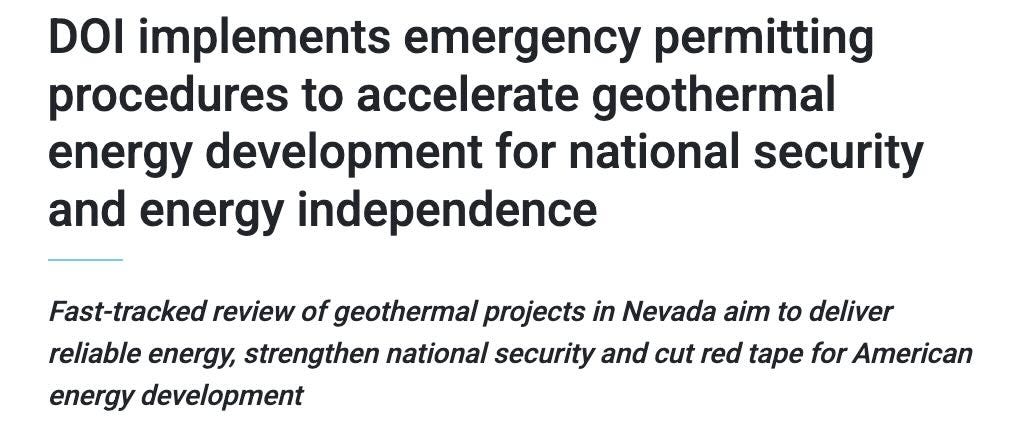
One of the interesting things about this announcement, and what certain States have worked on, is that abandoned oil wells can be repurposed for geothermal energy developments.
Oklahoma has already gone ahead and created the “Well Repurposing Act.”
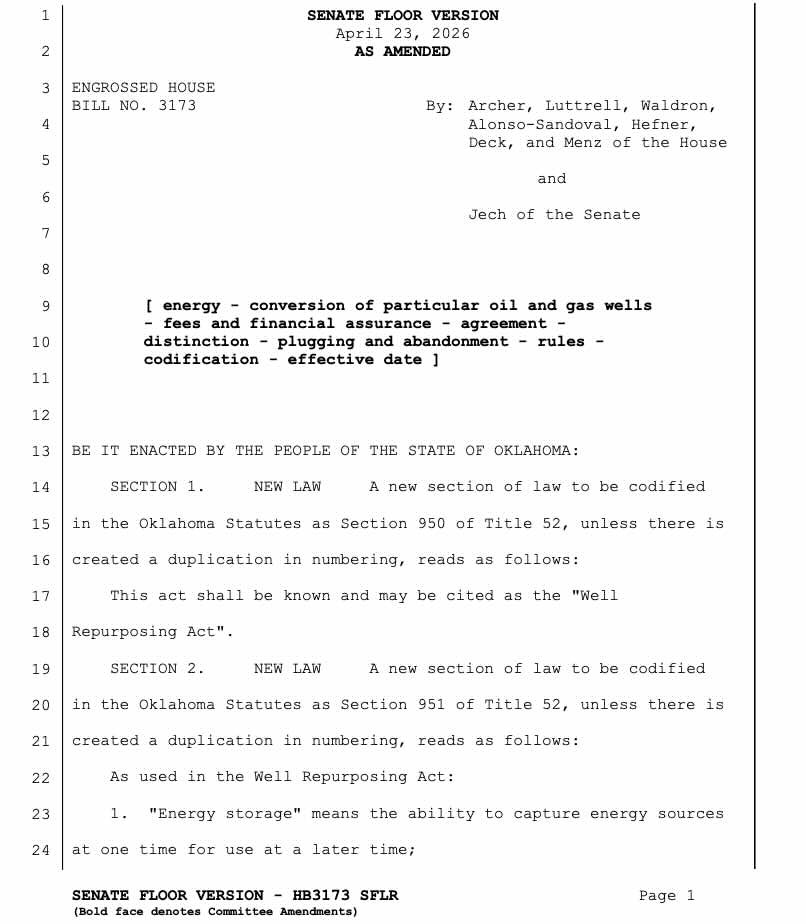
Instead of oil companies and the government having to spend millions (probably billions) in cleaning up old oil wells throughout the country, they are now trying to auction them off to geothermal energy companies to be repurposed.
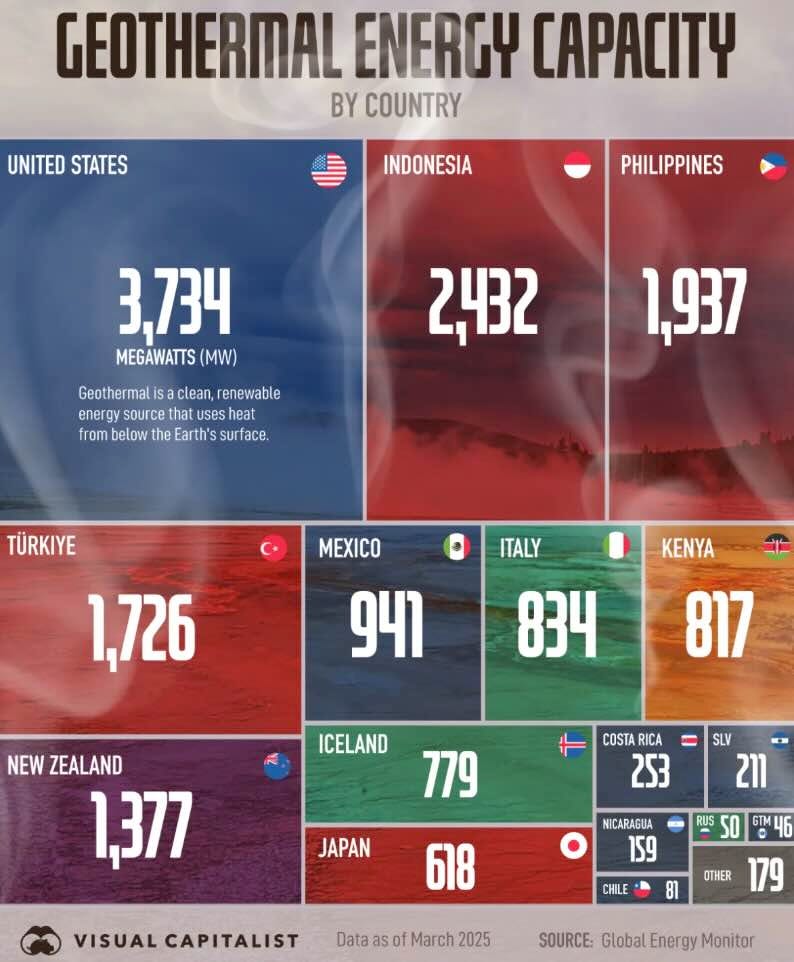
If properly executed, this would position the US as a major energy producer, especially within the geothermal category.
How to Invest in the Geothermal Boom
Looking beyond Quaise, there are actually quite a few public companies that have direct and indirect exposure to the growing geothermal power industry.
Even the companies that don’t have “pure geothermal” business could see large upside in the coming years as geothermal project demand is increasing significantly.
Here are the 5 most interesting publicly traded companies working in the geothermal power generation industry:
