A Mexican Beach, a 16-Year-Old Warning, and the Return of Currency Wars
How a strong U.S. dollar is quietly crushing commodities and what you should do about it.

Sixteen years ago I was on a beach in Cancun talking with James Rickards about a book he had just published, Currency Wars. I had met James several years before in Colombia (it might have been Chile - I can’t remember).
Anyway, on that Mexican beach, we were having a late night debate about global currency strategies with several others. Being in my mid-20’s at the time, I was mostly out of my league to add any real substance to the conversation.
But I do remember that night vividly because what was being said sounded unbelievable. Not that currency wars wouldn’t happen, but how they would happen.
Now, in 2026, it’s clear that we’re living through a time that James forecasted with incredible foresight. And one of the most obvious examples I can point to right now are commodities…
First, the Tactic
Part of Rickards’ argument in Currency Wars is that central banks (especially the US Fed) create policies to manipulate asset prices upward to create an artificial wealth effect. This is particularly true with equities.
These policies intentionally channel capital into paper assets, driving stock valuations and real estate to historically high multiples.
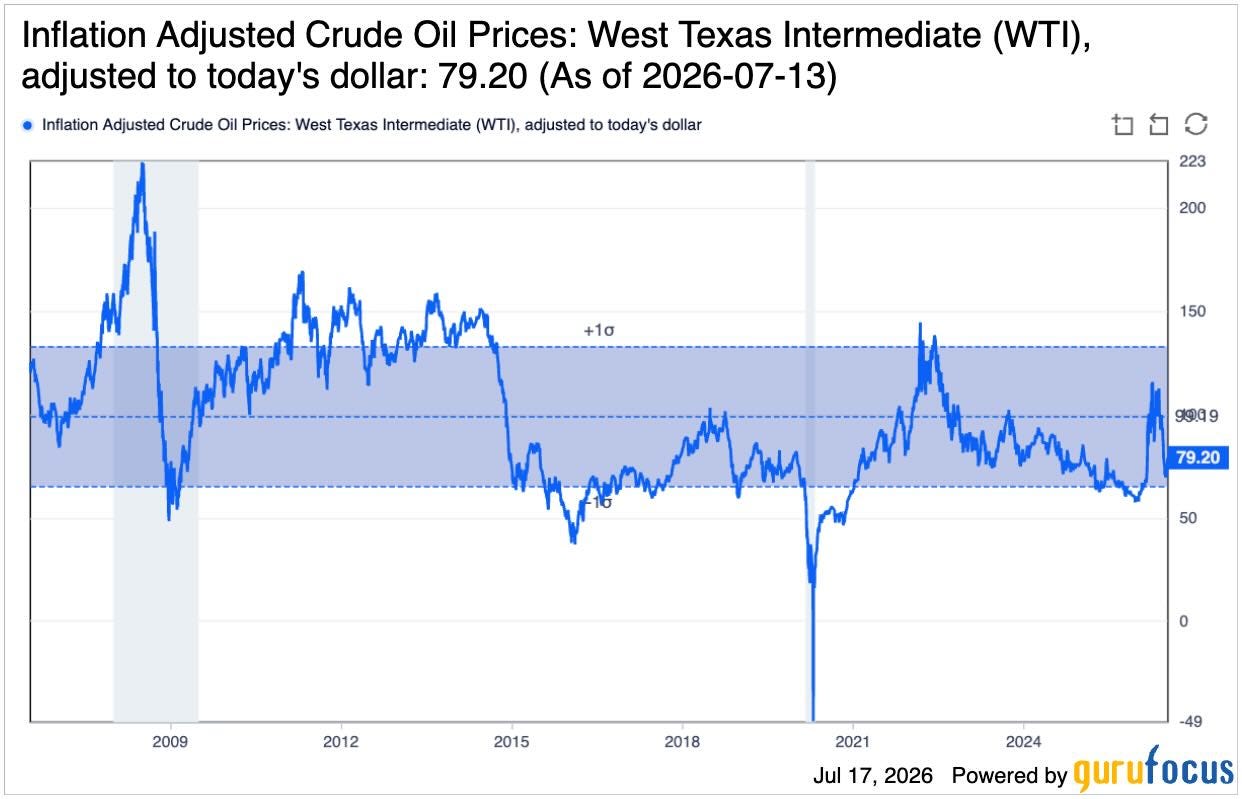
Simultaneously, because a strong U.S. dollar is often maintained to project national power or combat inflation, commodity prices are artificially suppressed.
This is exactly what is happening right now.
The narrative in the US is that we are fighting inflation, which is an easy sell to the general population.
The bigger picture game is that a stronger dollar is hurting commodity prices, allowing the US to purchase hard assets at an artificial discount.
Equally important, many foreign economies struggle because their success is heavily tied to strong commodity prices.
This is not a long term strategy. A strong dollar hurts US exports, so the present currency policy tactics will eventually be changed.
And those changes will come after certain governments and economies are forced to make deals with the US.
This is just one battle of a much larger currency war.
Next, the Opportunity
There will come a time when the dollar is too strong.
To combat this strength, the money supply will be increased and/or interest rates will be decreased. Probably both, at the same time.
A weakening US dollar will allow countries like Brazil or Indonesia to sell their commodities at a higher price.
But that’s not going to happen any time in the immediate future. In the short term, the US dollar is acting like a wrecking ball to other economies, sending US equities higher and commodities lower.
And that’s the opportunity, even though it’ll feel painful in the short term.
Sell highly valued US equities to buy undervalued commodities. And in some cases, undervalued foreign equities.
Gold, silver, nickel, aluminum, and even oil are extremely interesting right now.